Overhead Lifeline Systems

Work on top of aircraft, trucks, lorries and tankers involves a risk of falling. Overhead lifelines provide the right solution for this type of work.
- Overhead lifelines allow personnel to work safely on top of vehicles without restricting their movement.
- Because the work surface is close to the ground, the lifeline must be installed overhead so that a fall is arrested before the worker reaches the ground.
- Overhead lifelines arrest a fall immediately, creating a safe working environment.


25-Year Warranty
XTR Safety fall protection systems are covered by a 25-year manufacturer’s warranty against manufacturing defects (15 years for X-WALK walkways and X-GUARD guardrails).
Stainless Steel & Aluminum
XTR Safety products are made of stainless steel and aluminum with high corrosion resistance.
Insurance
All our manufacturing and installation work is covered by professional liability insurance.
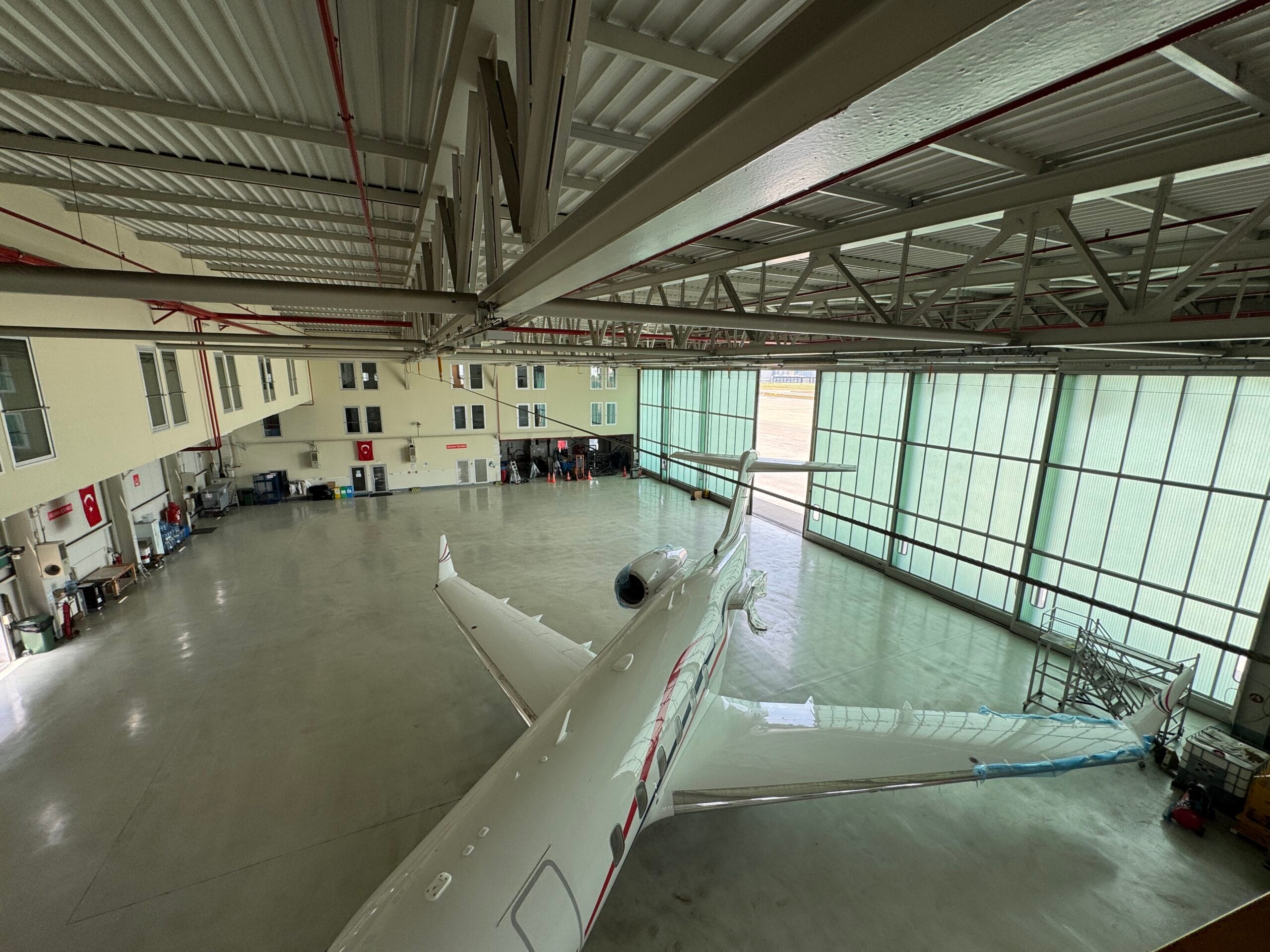
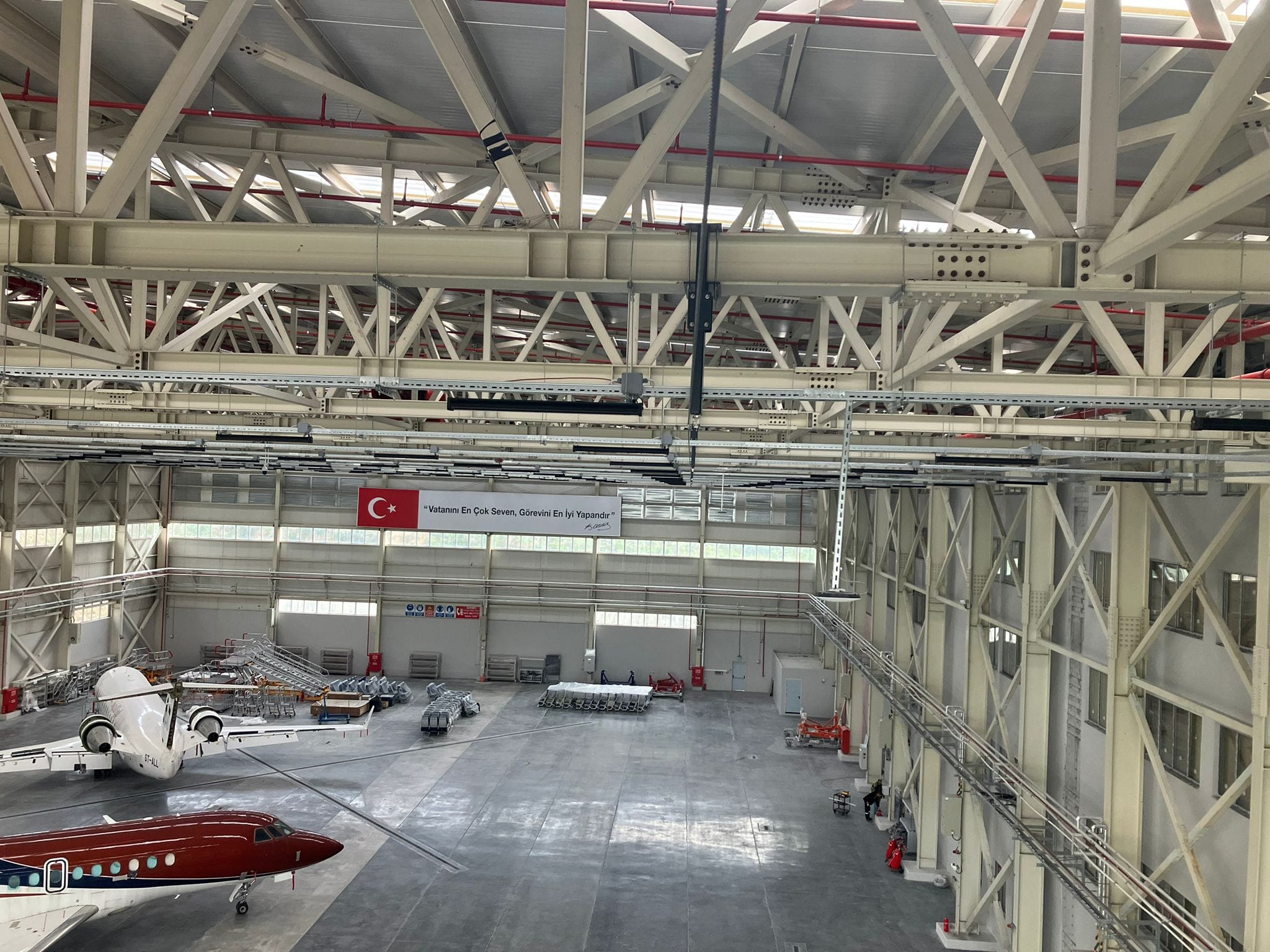
Overhead lifelines are used wherever work has to be carried out on top of vehicles and collective protection cannot be provided. Typical applications include tanker filling stations, truck and lorry loading areas, vehicle maintenance workshops and aircraft hangars.
The height of an overhead lifeline is determined by the height of the work area. When working on top of a vehicle, the distance between the worker and the ground is short, so the lifeline must be installed overhead. A supporting structure is therefore used to position the lifeline above the worker’s head.
Overhead lifelines can be installed on a purpose-built structure above the worker’s head. If the vehicle parks under a building or canopy, the lifeline can be fixed to the existing structural members. In either case, the supporting structure must have adequate strength.
For lifelines, only the wire rope or rail system itself is certified as a complete system. The platform, wall or steel structure to which the lifeline is fixed does not require fall protection certification. Steel posts, typically around 6 metres high and frequently used for overhead lifelines, are not subject to fall protection certification either; they must, however, be designed to carry the loads specified by the lifeline manufacturer.
Yes. The lifeline and the posts or structure supporting it can be treated as separate products. In fact, the supporting structure usually accounts for most of the total cost. XTR Safety can also install lifelines on structures provided by the client.