What Is a Horizontal Lifeline System?
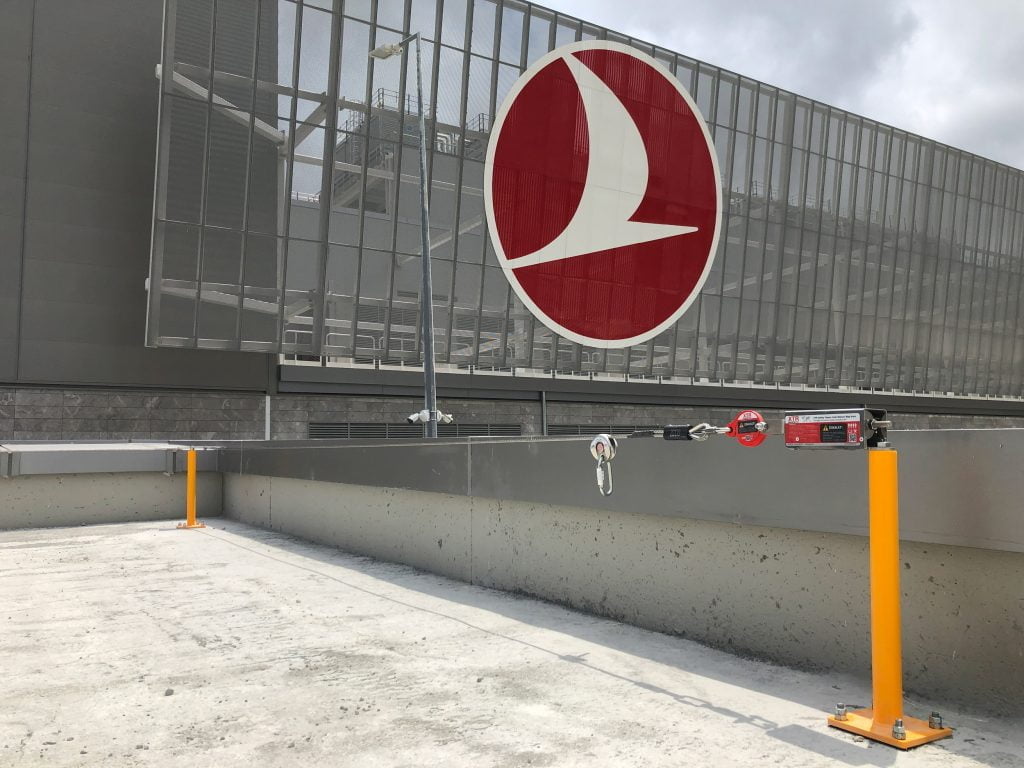
A horizontal lifeline system is a fall protection solution that enables workers to move safely along horizontal surfaces where there is a risk of falling. By connecting personal protective equipment (PPE) to a fixed anchor line, the system ensures continuous safety while working at height.
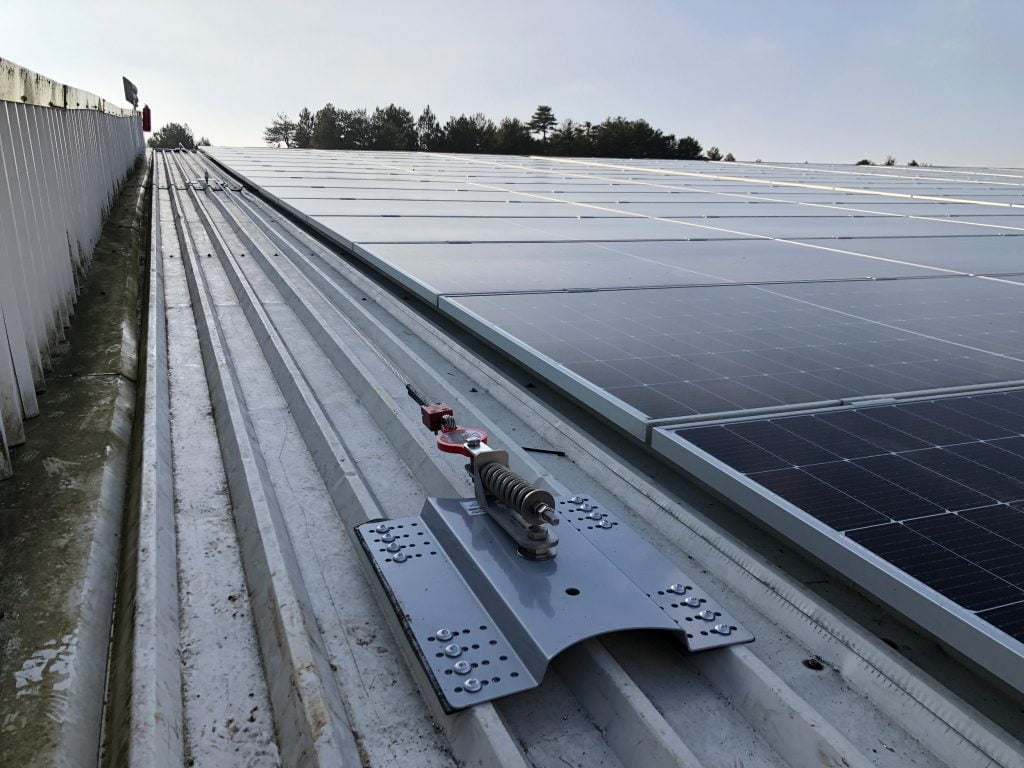
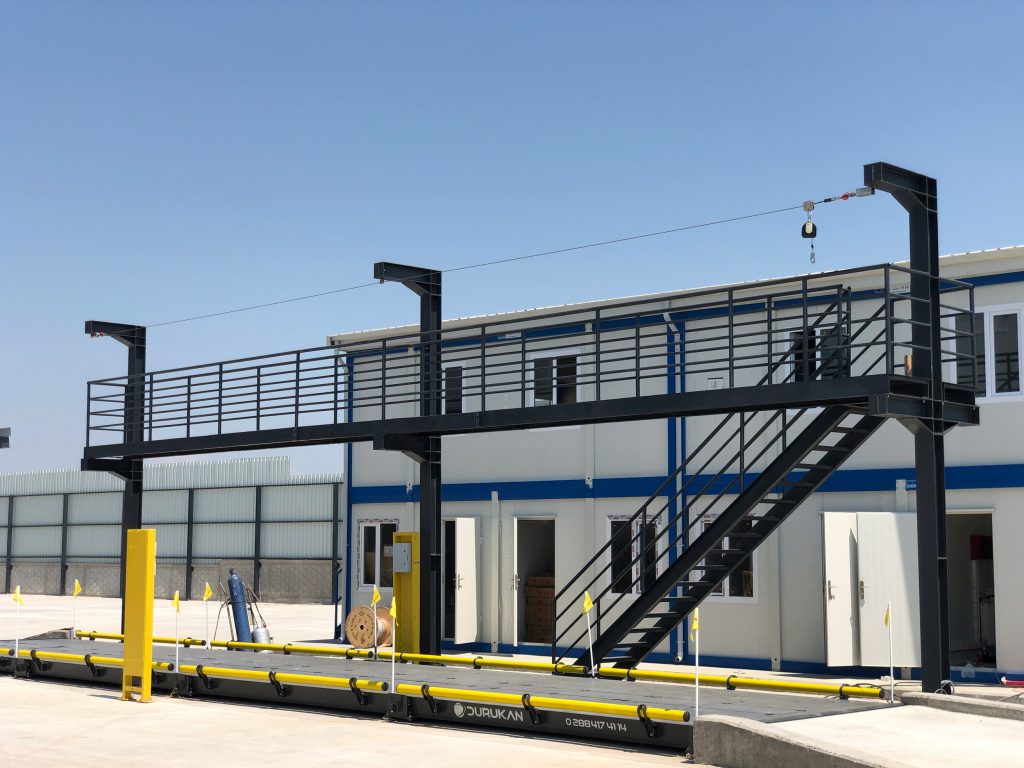
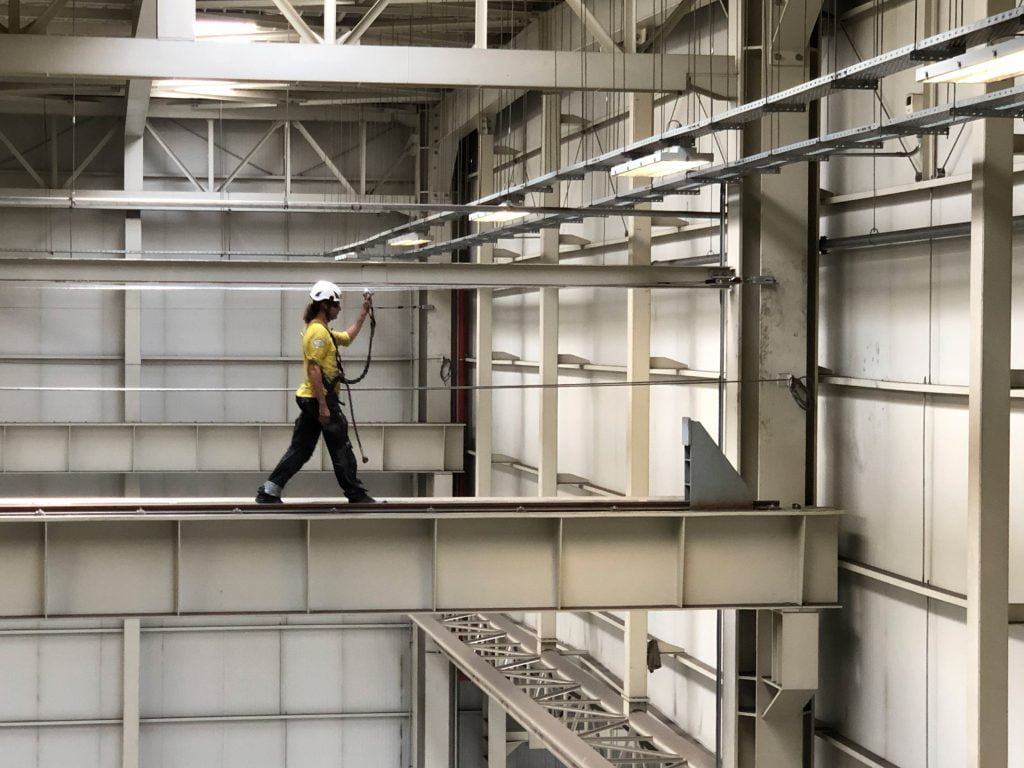
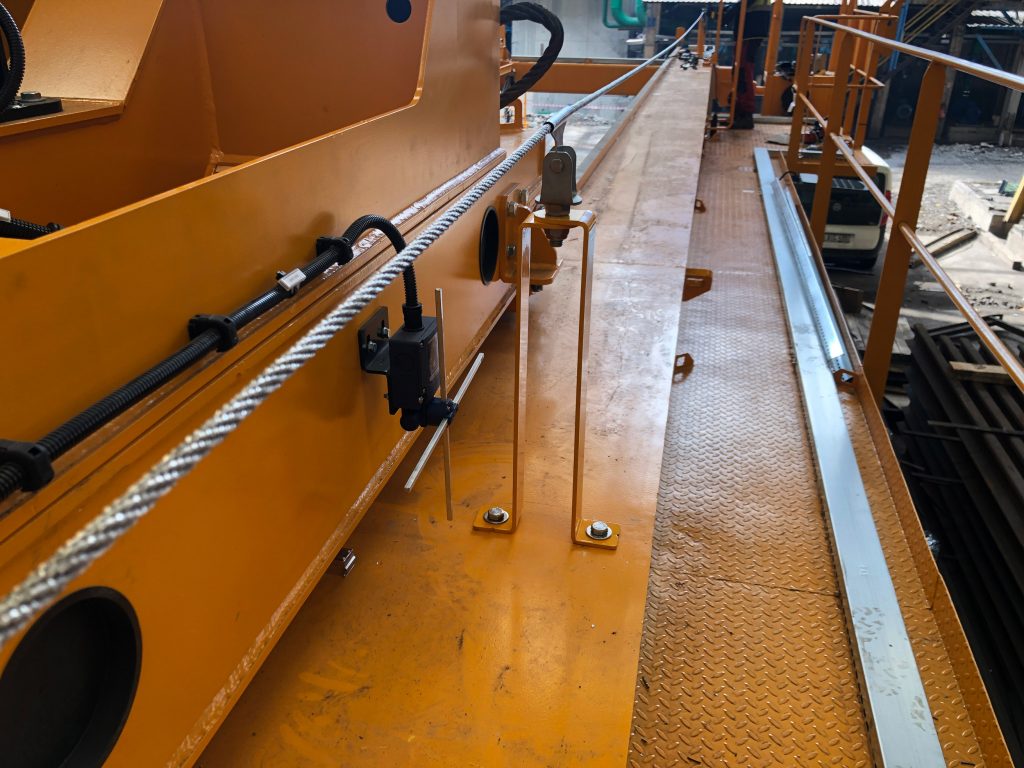
Designed in accordance with EN 795 Type C and CEN/TS 16415 standards, horizontal lifeline systems are widely used on roofs, industrial facilities, cranes, machinery, and vehicle loading areas, where collective fall protection is required.
Horizontal Lifeline System Features
Continuous Safe Movement
Horizontal lifeline systems allow workers to remain continuously connected to the system while moving along the working area. This uninterrupted connection ensures safe and controlled movement without the need to disconnect, even in areas with a high risk of falling.
Fall Arrest Capability
When correctly designed and installed at appropriate anchor points, horizontal lifeline systems safely arrest a fall. Integrated energy absorbers reduce the impact force applied to the user, minimizing the risk of serious injury and ensuring controlled fall arrest.
Durable and Cost-Effective Design
Manufactured from corrosion-resistant materials, horizontal lifeline systems are designed for long-term use in harsh environmental conditions. Their low maintenance requirements and user-friendly structure make them a reliable and economical fall protection solution.
Flexible Design and Installation
Horizontal lifeline systems can be custom-designed according to the specific requirements of the working area and installed in the desired length and configuration.
XTR Safety provides free site inspection and project design services to ensure the system is applied correctly, safely, and in compliance with relevant standards.
Standards and Compliance
XTR Safety horizontal lifeline systems comply with:
EN 795:2012 Type C
CEN/TS 16415:2013
These standards ensure maximum safety and reliability for users working at height.
For more information about our horizontal lifeline systems or to request a free site inspection, please contact us.
Applications
25-Year Warranty
All XTR Safety products are covered by a 25-year manufacturer’s warranty against manufacturing defects.
Stainless Steel & Aluminum
XTR Safety products are manufactured with stainless steel and aluminum materials with high corrosion resistance.
Insurance
All our operations are protected by insurance with a coverage of 1.000.000 USD against assembly errors.
Horizontal lifeline and vertical lifeline anchorage devices that allow continuous and safe connection of personal protective equipment used in fall arrest systems. It should be preferred when collective protection is not available in working areas at height where there is a possibility of falls. Lifelines can be basically divided into horizontal and vertical. Lifelines can be used as fall arrest system or fall restraint system according to the layout.
Lifelines are divided into horizontal and vertical. Horizontal lifelines must comply with EN 795:2012 standards and vertical lifelines must comply with EN 353-1+A1:2018 standards. If horizontal lifelines are to be used by multiple users, they must comply with CEN TS 16415:2012 technical specifications. Horizontal lifelines with steel cable are considered within the scope of EN 795:2012 Type C, rigid horizontal lifelines with rail type are considered within the scope of EN 795:2012 Type D, single point anchors are considered within the scope of EN 795:2012 Type A. The conformity of the systems to the relevant standards must be tested and certified by international test organizations. Click here for the information prepared by the Ministry of Labor and Social Security.
According to the Occupational Health and Safety Law and the related Regulation on Occupational Health and Safety in Construction Works published within the scope of this law, in risky works such as working at height, all employees, especially employers, are responsible for carrying out the work safely. It is the employer’s responsibility to provide the necessary equipment for personnel to reach the work site safely and to work safely at the time of work. Precautions must be taken in working areas at height where there is a possibility of falling. This measure should be determined by experts according to site conditions and supplied in accordance with standards. Lifelines are among the common measures that can be taken against falls.
As a safety precaution in all work where there is a possibility of falling from a height, it is necessary to first plan work to eliminate the possibility, and if possible, use collective protection methods or use lifeline systems. Lifeline is widely used for roof maintenance, stream cleaning, chimney measurement, solar panel installation and cleaning. It is necessary to use lifelines for maintenance work on overhead cranes and crane walkways in facilities, maintenance work on vehicle tops, tanker filling sites, and many works in construction.
Anchor points for the lifeline can be installed on almost any surface of suitable strength. Steel constructions, concrete structures, sandwich panel roofs, trapezoidal roofs, membrane roofs and standing seam roofs can be anchored directly using the roof profile. It is necessary to pay attention to the instructions of the lifeline manufacturer for the suitability of the surface to be mounted.
Commonly, fall arrest systems are made of stainless steel and aluminum. Since lifelines are long-life systems, often located in outdoor environments, the most suitable material is stainless steel. However, there are cases where lifeline anchors are manufactured from materials with lower corrosion resistance due to cost reasons. Lifeline systems should have elements that provide line tension and elements that will absorb the energy that will occur in the event of a fall. When evaluating the price between systems, it is necessary to consider the material of the products. There is a significant cost difference between stainless steel material and others.
Layout planning of lifelines is crucial to ensure that systems are safe and functional. Many factors such as possible fall distance, coverage of the working area, pendulum effect, slope, working comfort should be taken into account when determining the location of the lines. Therefore, project design in fall protection systems should be done by professional teams. XTR Safety offers free support during the project preparation phase. You can contact us for the correct assessment of the need and solution suggestions.